
We're Here to Assist You
Rodent Control: A Recent Job in Fishers & What Homeowners Should Watch For
Category: Holiday
Published: June 2026
By: Mint Pest Control Team
What I Walked Into
A Fishers homeowner contacted Mint Pest Control after noticing possible rodent activity around the kitchen and attached garage.
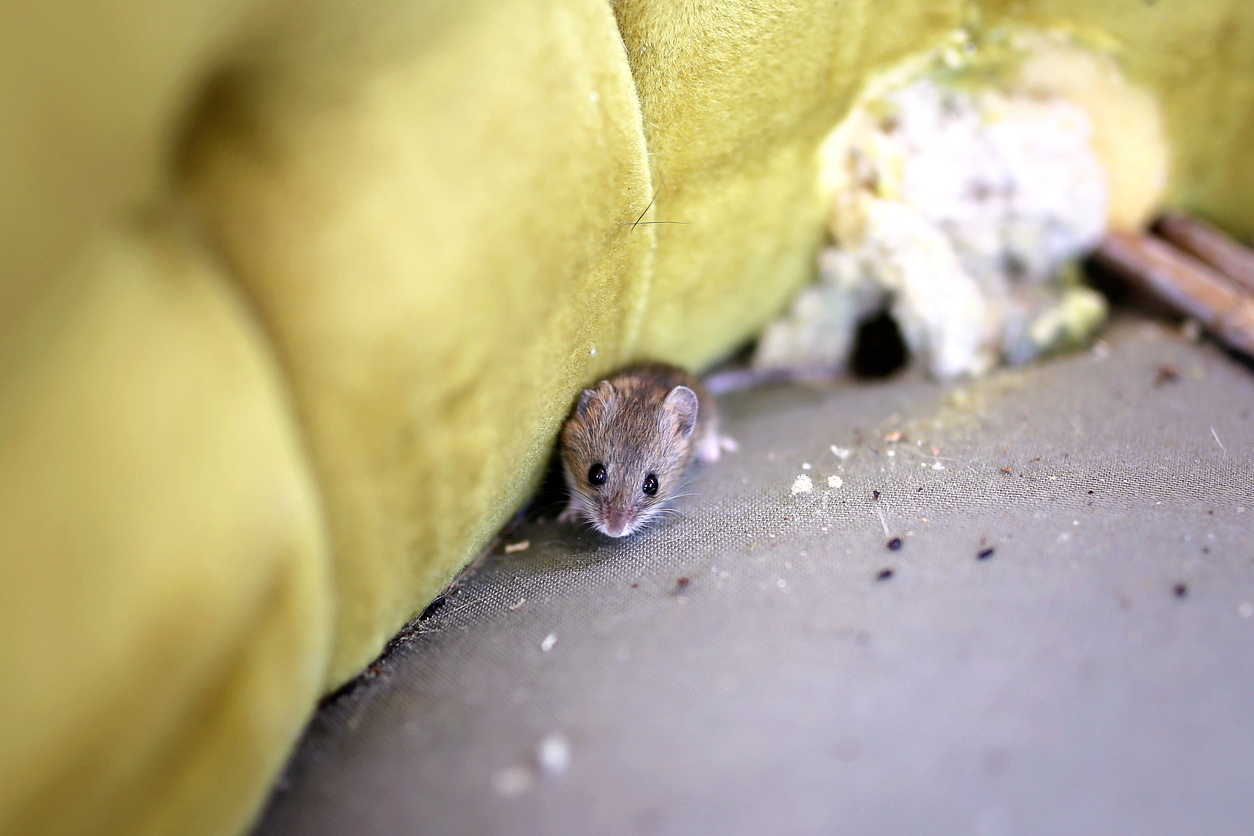
The first concern was a faint scratching sound heard during the evening. A few days later, the homeowner discovered small droppings beneath the kitchen sink and damaged packaging inside the pantry.
They had cleaned the affected areas, but the evidence returned. This suggested that the activity was not limited to a single accidental entry.
During the visit, the homeowner showed us the kitchen, pantry, garage and utility areas where the signs had been noticed.
Their main goal was to understand how rodents were getting inside and which parts of the property required attention.

The Problem
Rodent activity often continues when a property provides a combination of food, shelter and accessible entry points.
During the assessment, several conditions required attention:
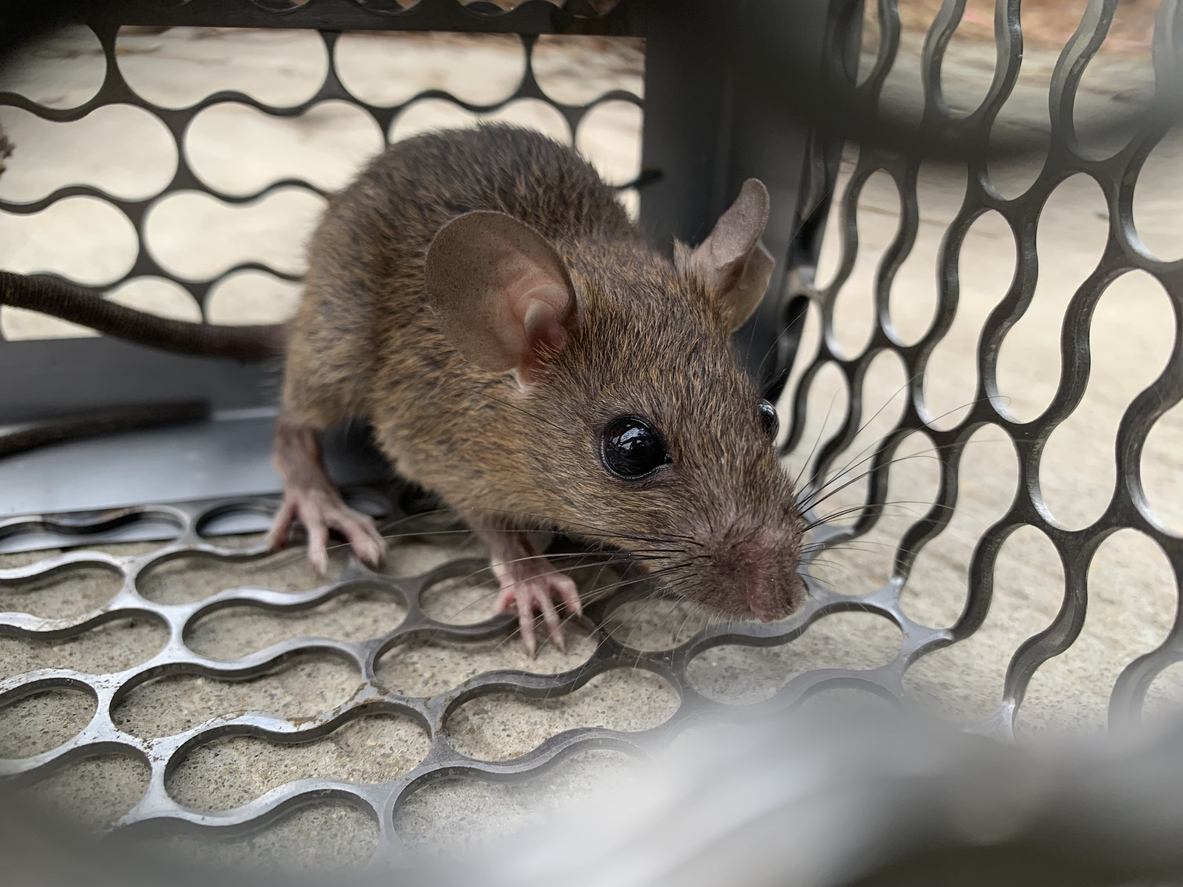
Small droppings were present beneath the kitchen sink.
Food packaging inside the pantry showed possible gnaw marks.
Pet food was stored in an open container in the garage.
Cardboard boxes created protected hiding areas along a garage wall.
A visible exterior gap was present around a utility line.
The garage door seal did not sit evenly against the ground.
These conditions provided possible food sources, hiding locations and movement routes between the exterior, garage and kitchen.
The Process
The goal was to determine where rodent activity was occurring and identify the conditions that may have allowed it to continue.
Step 1 — Interior Inspection
We inspected the kitchen, pantry, garage, utility areas and other accessible locations for droppings, gnawing, nesting material and possible travel routes.
Step 2 — Exterior Entry-Point Review
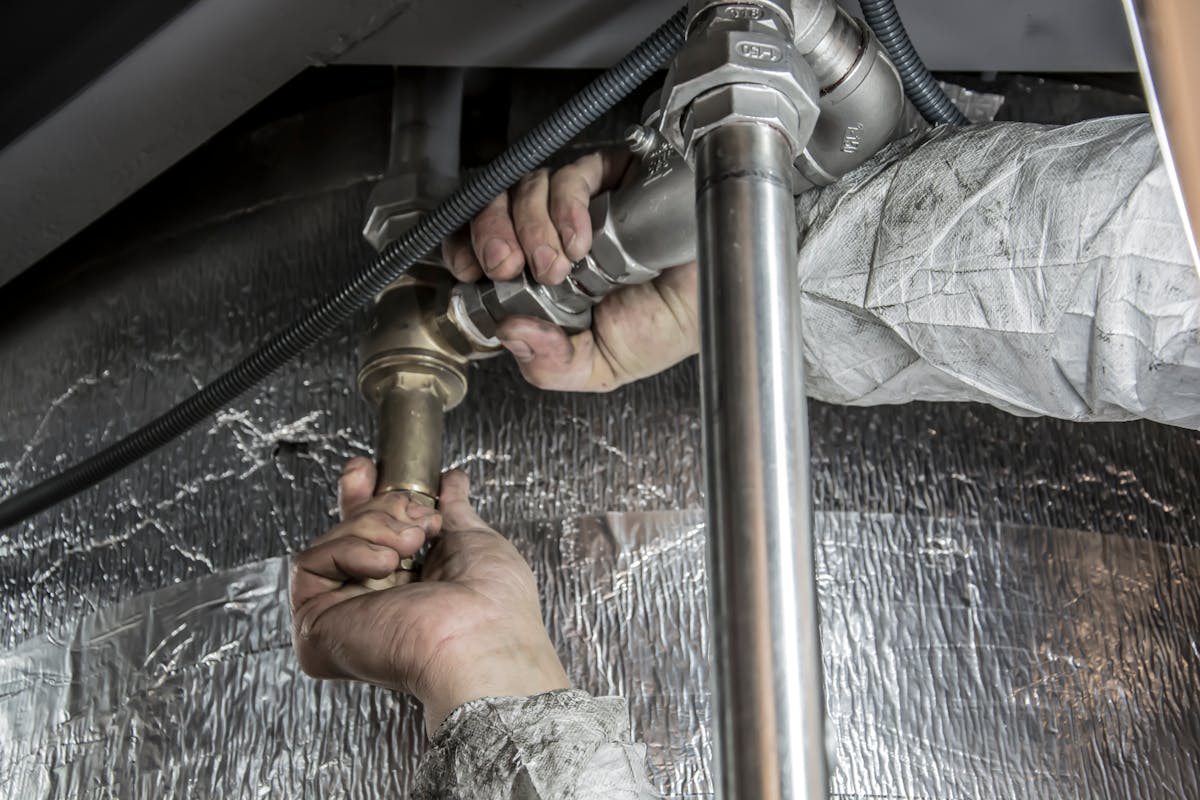
We reviewed accessible foundation areas, doors, vents and utility penetrations for openings that rodents may use to enter the property.
Step 3 — Activity and Attractant Assessment
We considered the location of the evidence along with available food, waste, clutter and protected shelter areas.
Step 4 — Service Recommendation
We explained which locations required attention and recommended a rodent service based on the evidence, affected areas and accessible property conditions.
The Outcome
By the end of the assessment, the homeowner had a clearer understanding of how the activity around the garage, pantry and kitchen may have been connected.
The evidence was not randomly distributed throughout the home. It was concentrated near available food, protected storage areas and possible movement routes.
The homeowner also understood that cleaning the visible droppings alone would not address the conditions allowing new activity to occur.
Once the relevant areas and possible entry points had been identified, the homeowner had a practical plan for service, monitoring and prevention.

Prevention Tips
These were the practical recommendations discussed with the homeowner:
Store pantry products in sealed containers.
Keep pet food inside containers with secure lids.
Clean crumbs, spills and food residue promptly.
Avoid leaving pet food available overnight.
Keep indoor and exterior waste containers closed.
Reduce unnecessary cardboard and clutter in storage areas.
Check door seals for visible gaps.
Review openings around utility lines, pipes and vents.
Keep vegetation and stored materials away from the foundation.
Continue checking affected areas for fresh evidence.
Report new scratching sounds, droppings or gnaw marks.
Follow all monitoring and preparation instructions provided after service.
These steps can help reduce food, shelter and access conditions that may support rodent activity.
"It's brighter than before!"
— Megan
Professional Insight
Rodent control is most effective when visible activity and the surrounding property conditions are considered together.
Removing droppings or damaged packaging may address the immediate evidence, but it does not explain how rodents entered or why they remained active.
Food storage, waste, clutter, door seals and exterior openings can all influence where rodents travel and shelter.
A detailed property assessment helps connect the evidence to the areas requiring service, monitoring or maintenance.
Closing Thoughts
Rodent activity may begin with a quiet sound, a damaged food package or a small amount of evidence in an overlooked area.
For homeowners across Fishers & Surrounding Indianapolis Areas, kitchens, garages, storage spaces, attics and utility areas are important locations to monitor.
If you have noticed droppings, gnaw marks, scratching sounds or damaged packaging, Mint Pest Control can assess the property and recommend an appropriate next step.
— Mint Pest Control
Services
Address
10475 Crosspoint Blvd Suite 250, Indianapolis, IN 46256, United States
Contact Us
Call: +1 317-943-7887
© 2026 Mint Pest Control. All Rights Reserved.