
We're Here to Assist You
Mosquito Control: A Recent Job in Fishers & What May Be Attracting Them
Category: Holiday
Published: August 2026
By: Mint Pest Control Team
What We Walked Into
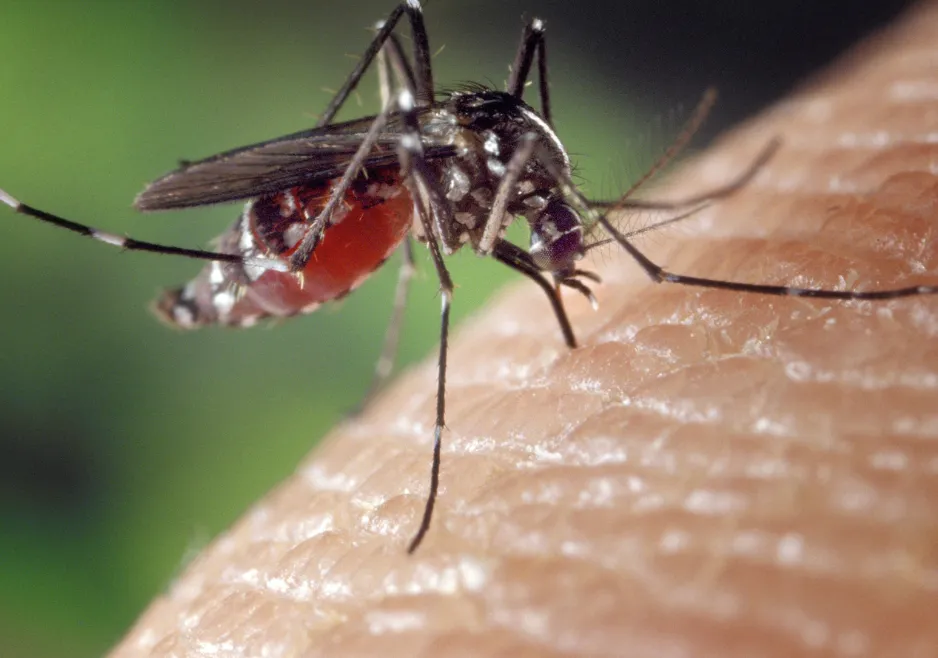
A homeowner in the Indian Hills area contacted Mint Pest Control after frequent mosquito activity made it difficult to enjoy the patio and backyard.
The activity was most noticeable during the morning and evening, particularly near shaded landscaping and outdoor seating.
During the visit, the yard was evaluated for standing water, dense vegetation and other conditions that could provide mosquitoes with breeding or resting areas.

The Problem
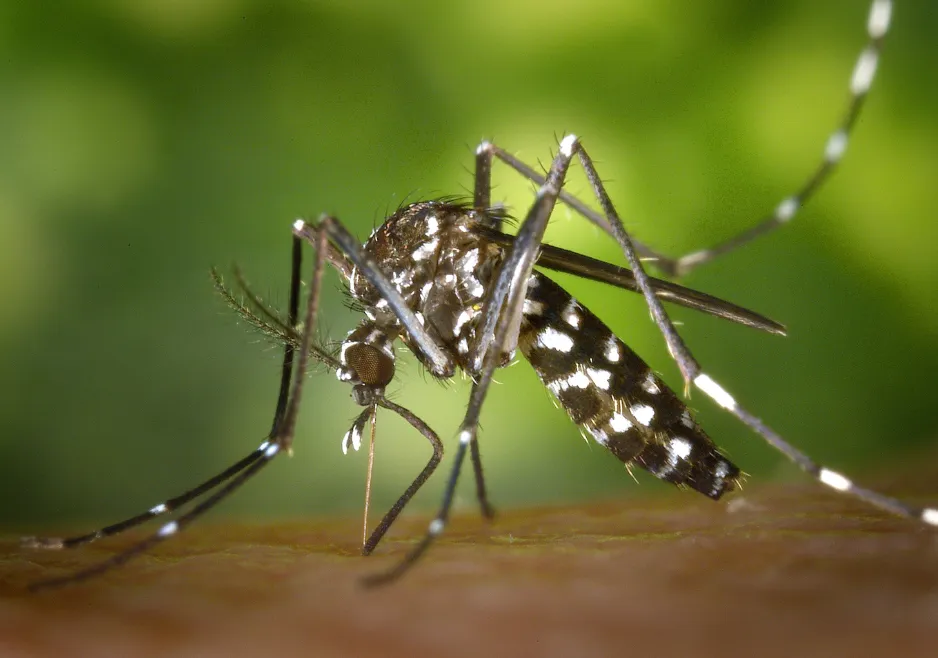
Several outdoor conditions could contribute to persistent mosquito activity:
Water had collected inside small outdoor containers.
Dense shrubs created shaded resting areas.
Parts of the yard remained damp after rain.
Outdoor items could hold small amounts of water.
Frequently used seating areas were located close to vegetation.
Mosquitoes do not require a large pond to reproduce. Small amounts of standing water may remain long enough to support developing mosquitoes.

The Process
Step 1 — Property Inspection
Frequently used outdoor spaces, shaded landscaping and possible water-collection areas were inspected.
Step 2 — Breeding-Site Review
Containers, drainage areas, gutters and other locations capable of holding water were evaluated.
Step 3 — Resting-Area Assessment
Shrubs, plant beds, shaded walls and protected vegetation were checked for conditions that could support resting mosquitoes.
Step 4 — Targeted Service
An appropriate mosquito-control plan was recommended for qualifying areas based on the property layout and identified activity.
Step 5 — Ongoing Prevention Guidance
The homeowner received practical instructions for managing water, vegetation and outdoor items between services.
The Outcome
The inspection gave the homeowner a clearer understanding of why mosquito activity remained concentrated around certain parts of the yard.
Potential water sources and shaded resting areas were identified, and the customer received a plan for targeted service and continued property maintenance.
Because mosquito pressure can change with weather, rainfall and activity from surrounding properties, monitoring may still be necessary throughout the active season.

Prevention Tips
These practical mosquito-prevention steps were discussed:
Empty water from outdoor containers each week.
Refresh birdbath and pet-bowl water regularly.
Clean gutters and drainage channels.
Store buckets and containers upside down.
Keep swimming pools and water features maintained.
Remove unnecessary objects that collect rainwater.
Trim dense vegetation where practical.
Repair damaged window and door screens.
Check tarps, toys and lawn equipment after rain.
Report drainage areas that remain wet for extended periods.
"It's brighter than before!"
— Megan
Professional Insight
Mosquito control is most effective when treatment and property maintenance work together.
Targeted service may address qualifying resting areas, but new mosquitoes can emerge when water collects again or travel into the yard from nearby properties.
Regularly removing standing water is one of the most useful steps a property owner can take. Even a small container can become important when water remains undisturbed.

Closing Thoughts
Mosquito activity around patios, play areas and outdoor seating can often be connected to nearby water and shaded vegetation.
Homeowners throughout Indian Hills and the surrounding Louisville area should inspect their yards after rain and regularly empty items that hold water.
If mosquitoes are making your outdoor areas difficult to enjoy, contact Mint Pest Control to request an inspection and appropriate service plan.
— Mint Pest Control
Services
Address
10475 Crosspoint Blvd Suite 250, Indianapolis, IN 46256, United States
Contact Us
Call: +1 317-943-7887
© 2026 Mint Pest Control. All Rights Reserved.